
Responsible Gambling
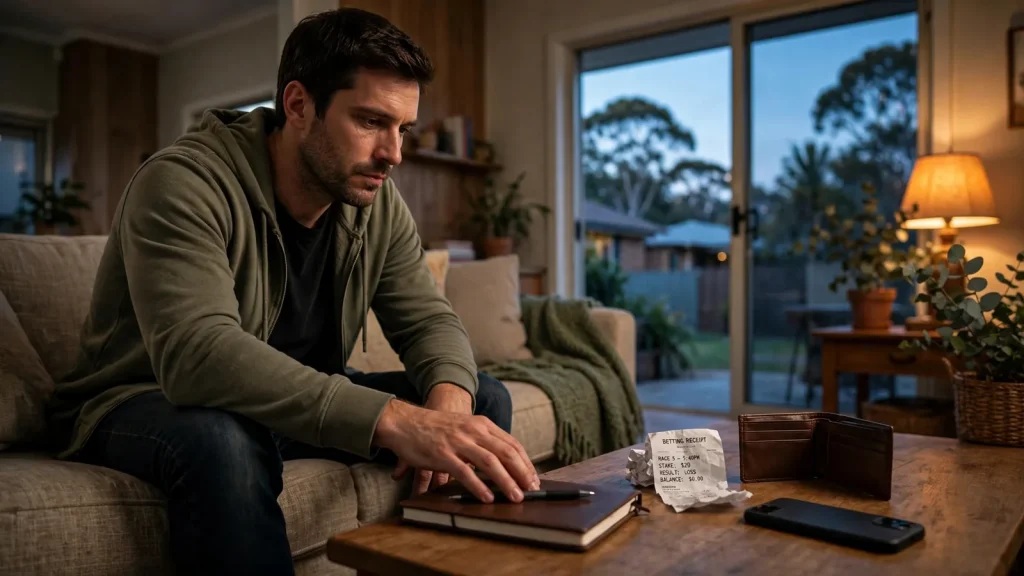
Gambling can shift from occasional entertainment to a source of harm gradually. The change is often visible first in ordinary decisions: money set aside for bills goes elsewhere, time disappears, or gambling becomes difficult to conceal. These signs are worth taking seriously; a crisis is not required before help is sought.
Signs that gambling may be causing harm
Problem gambling can show up in practical, observable ways:
- spending more than intended, or using money meant for rent, food, bills or other essentials;
- borrowing, selling possessions or taking on debt to keep gambling or cover losses;
- trying to win back money that has already been lost;
- gambling for longer than planned, or finding that it is hard to stop;
- hiding gambling, losses or debts from family and friends;
- missing work, study, appointments or family responsibilities because of gambling;
- feeling restless or irritable when trying to cut back;
- gambling to escape stress, loneliness or other difficult feelings;
- continuing despite arguments, financial trouble or other clear consequences.
No single sign proves that a person has a gambling problem. A pattern of concealment, escalating spending or repeated unsuccessful attempts to stop is enough to warrant attention.
Gambling is not a way to earn money, and it is not a solution to money problems. Chasing losses can deepen them.
Steps to limit harm
A pause can create room to make decisions outside the pressure of a gambling session. Practical steps include stopping deposits and gambling activity, removing saved payment details, and asking a trusted person to help keep essential money separate from discretionary spending. These measures do not replace professional support, particularly where debt, secrecy or repeated loss of control has become part of daily life.
Self-exclusion and other formal restrictions may be relevant, but no verified details about the available schemes, eligibility or time periods are provided here. Gambling Help Online can advise on support options and next steps in Australia.
Where to turn
Gambling Help Online Website: https://www.gamblinghelponline.org.au
This is the support service identified for this page. Its website is the place to look for current ways to contact the service and information about help for gambling-related harm. Support can be relevant not only to the person gambling, but also to family members and others affected by the consequences.
Seeking help need not wait until debts are unmanageable or relationships have broken down. A clear account of what has been happening—how often gambling occurs, what money is being used, and what has been hidden or postponed—can help make the problem easier to describe.
Age and access
Gambling is subject to legal age requirements in Australia. The applicable age threshold is not specified in the verified information available for this page, so no number is stated. Current requirements should be checked through an appropriate official source before any gambling activity.
Rules and safeguards matter, but they cannot make gambling a source of income or remove the risks of financial and personal harm. When gambling begins to displace essential spending, responsibilities or honest conversations, the practical response is to stop and seek support.



































































































































































































